Category: Governance & Corruption
-
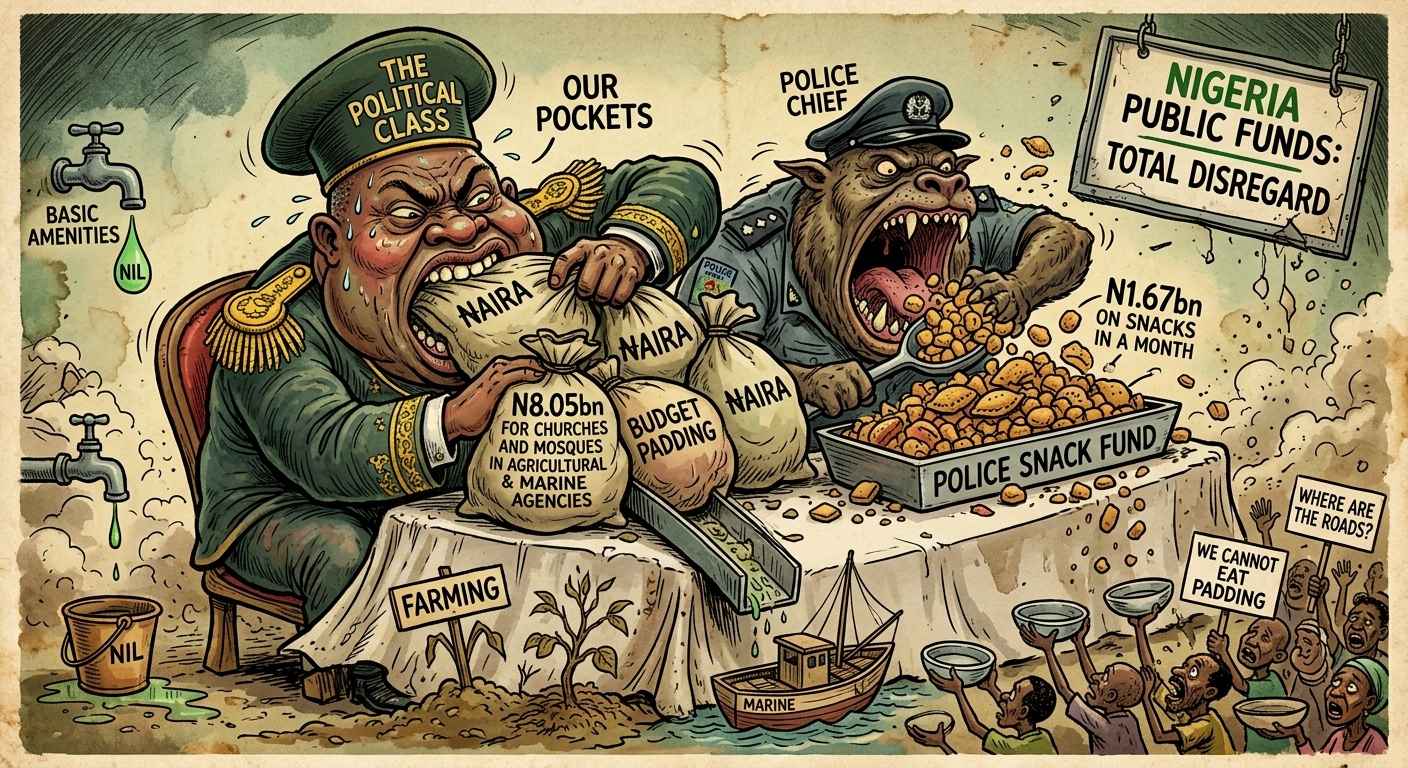
The Nigeria Police Force spent N1.67 billion on snacks in a single month. One carton of sardines on that bill cost N400,000. The 2026 national budget sets aside N8.05 billion for churches and mosques, tucked inside agencies whose actual job is agriculture, marine research, and cooperative colleges.
-
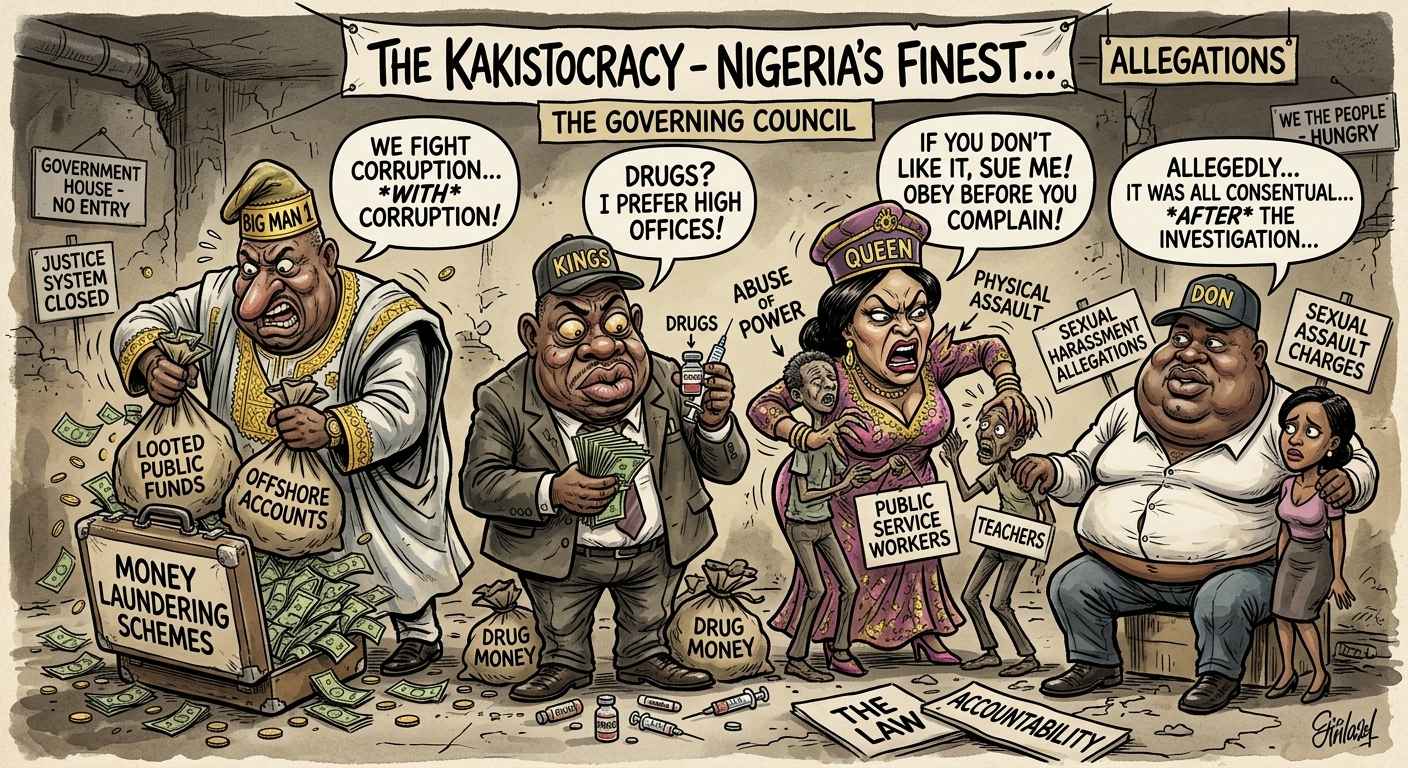
Kakistocracy is an old word for a simple idea: government by the worst, least qualified, or most unscrupulous citizens available. It sounds like an insult until you start reading actual court records, actual disciplinary rulings, and actual transcripts of what Nigeria’s most powerful people have said on camera. Then it stops sounding like an insult…
-
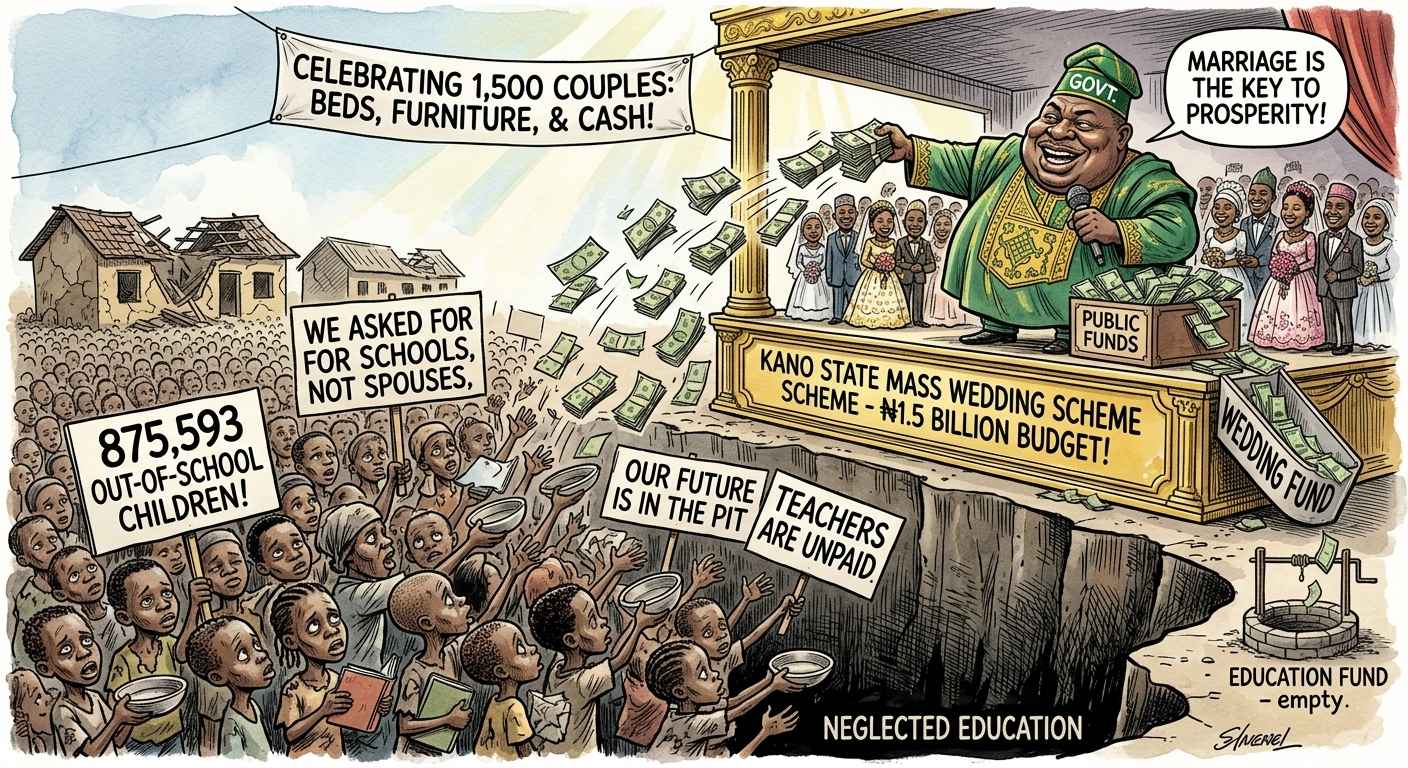
August 7 and 8, 2026, Kano State married off 1,500 couples in a single, state-sponsored ceremony that cost the government N1.5 billion. It was framed as social welfare. It generated global headlines and warm human interest coverage. It also produced a groom who told a national television camera, with visible pride, that his new bride…
-
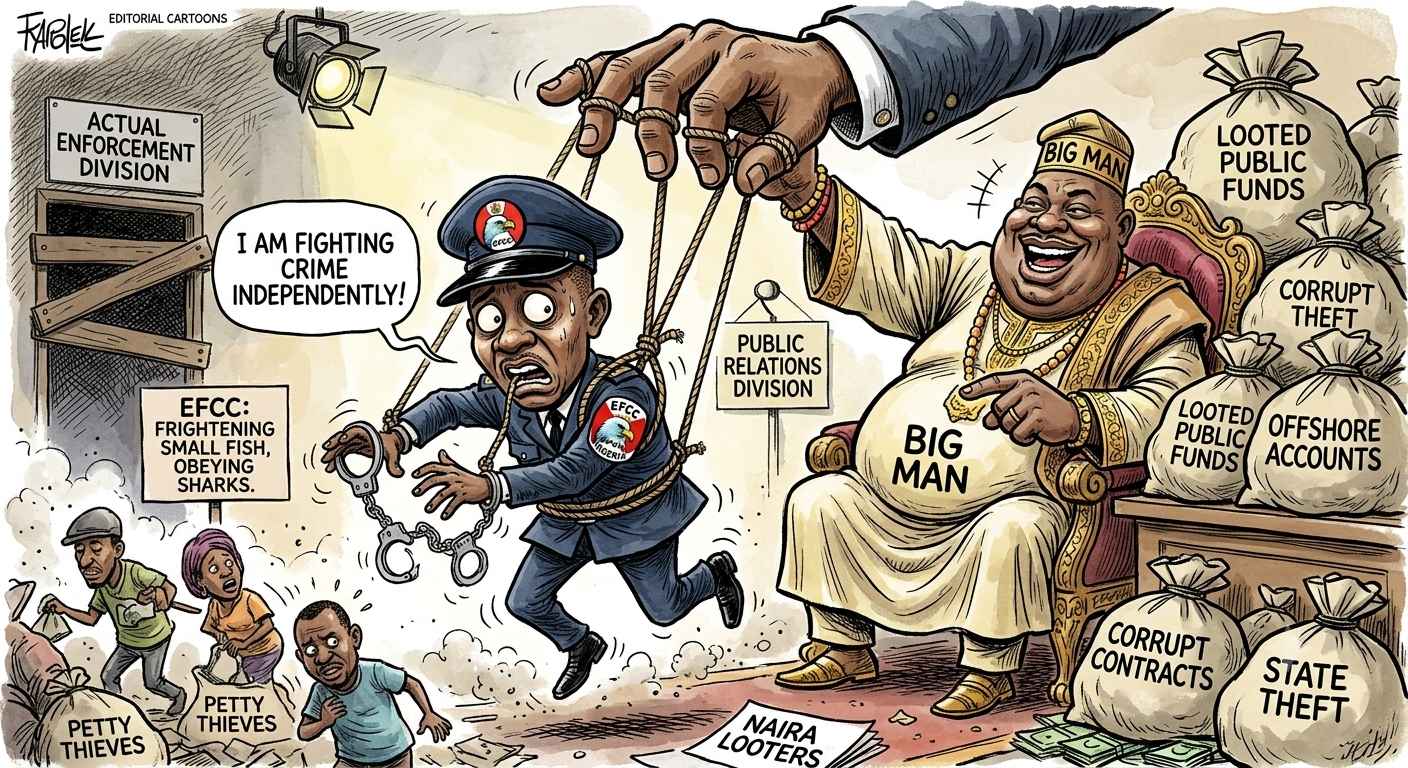
Nine days before Osun State’s governorship election, the EFCC froze the state government’s statutory account. Osun is only the eighth Nigerian state to face this since Plateau State became the first in 2006, which means the tool itself is not new. What is new is the specific combination on display here: no court order at…
-
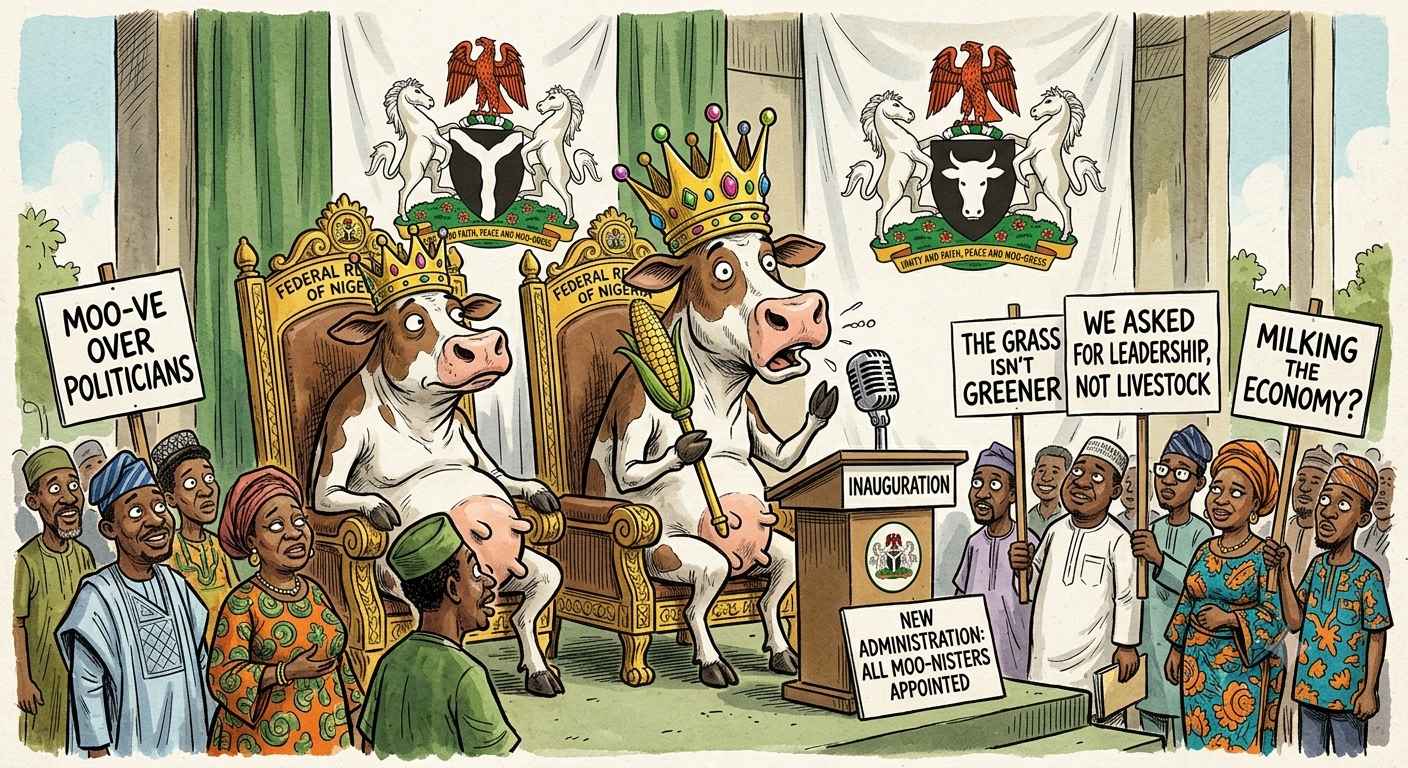
Open grazing in Nigeria has reached exactly this point in 2026. Cattle walk past the World Trade Centre in Abuja. Cattle cross the road to Nnamdi Azikiwe International Airport. Cattle graze within sight of Aso Rock, the seat of the presidency itself. And when a journalist finally asked the man responsible for administering the Federal…
-
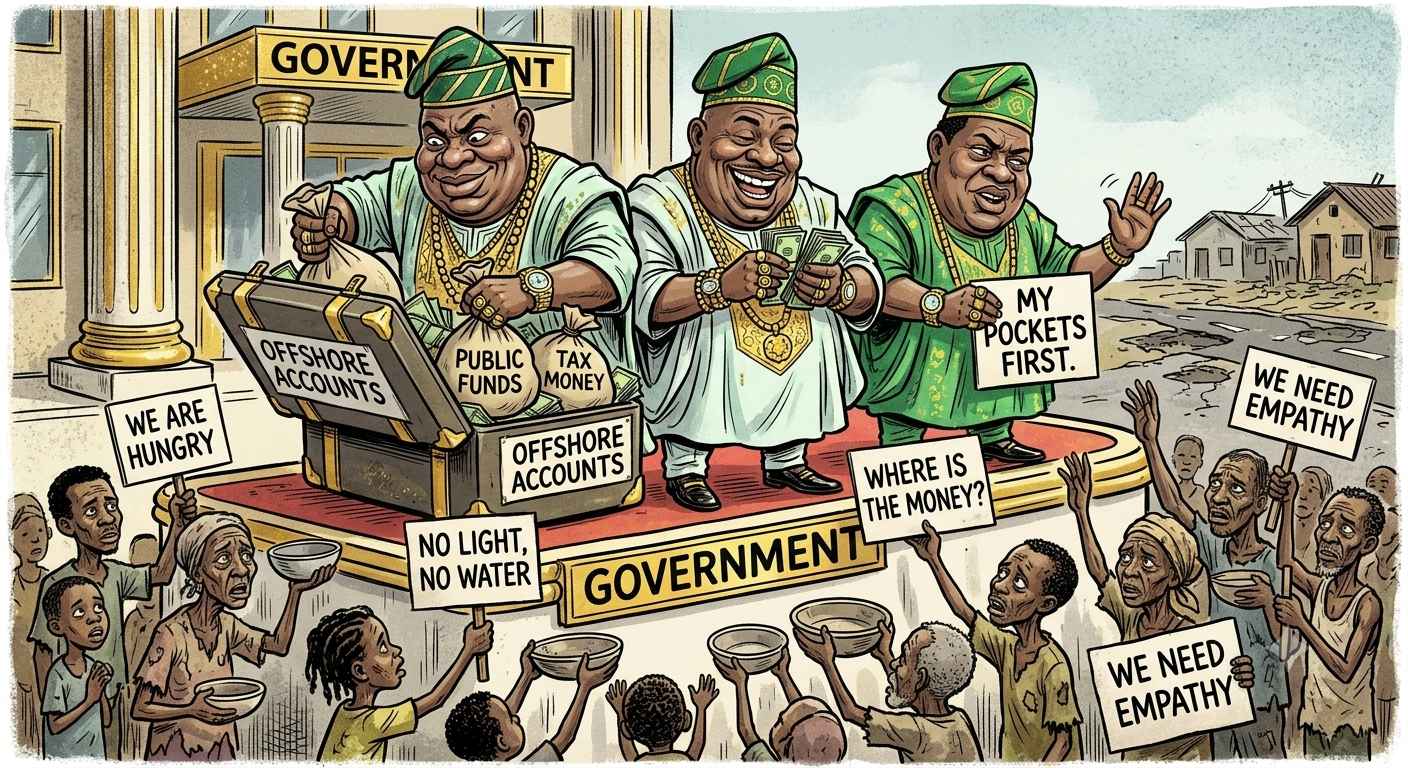
Governor Alex Otti signed a law scrapping pension payments to former governors and deputy governors of Abia State, calling the practice unnecessary and something government should never have normalised. Around the same period, senators elsewhere were publicly defending the purchase of luxury SUVs using the country’s bad roads as justification, while ordinary Nigerians absorbed the…
-
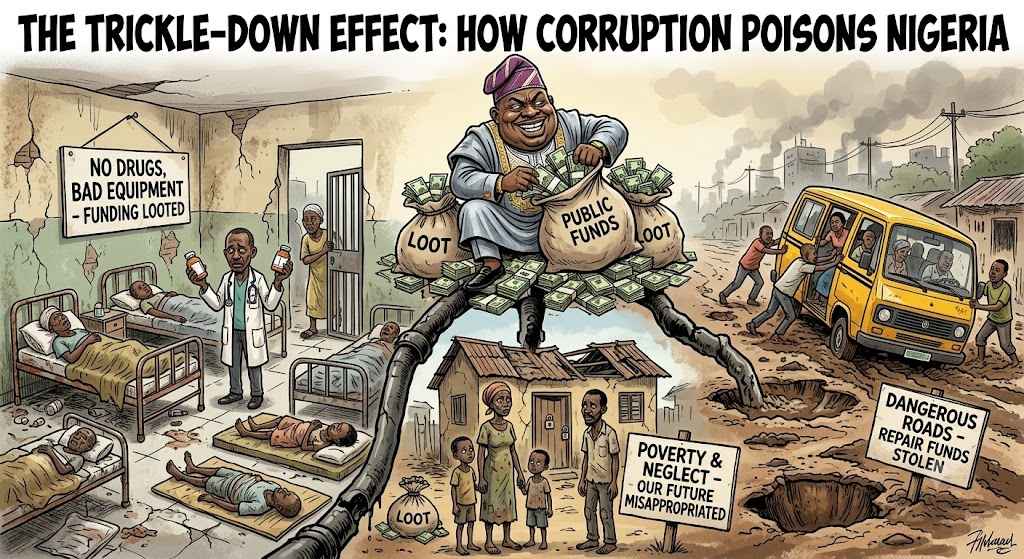
When corruption in Nigeria persists for decades without meaningful consequence, it stops being a scandal and becomes simply how things work. This is the mechanism of impunity: repetition removes shame.
-

In 2019, Blessing CEO stood in front of a stranger’s mansion and called it hers. In 2023, she was remanded in custody for cyberbullying and criminal defamation. In March 2026, she posted a tearful video claiming stage 4 breast cancer and collected donations from Nigerians. In May 2026, the EFCC arrested her over an alleged…
-
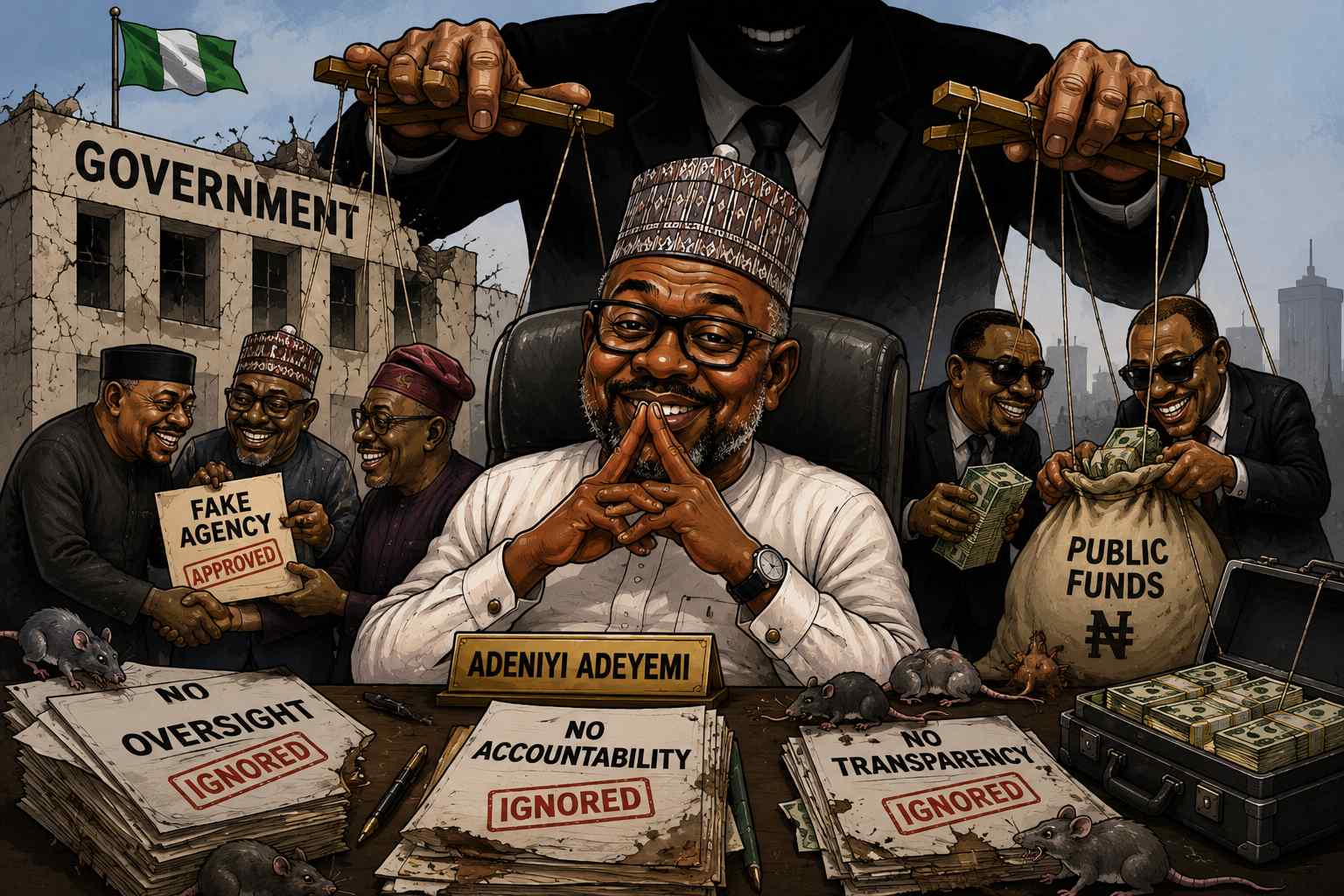
A man set up a presidential agency that the Presidency says does not exist. The agency got N1.3 billion in the national budget. It got office space in the Federal Secretariat. It opened a Treasury Single Account and a domiciliary pound sterling account at the Central Bank of Nigeria.
-
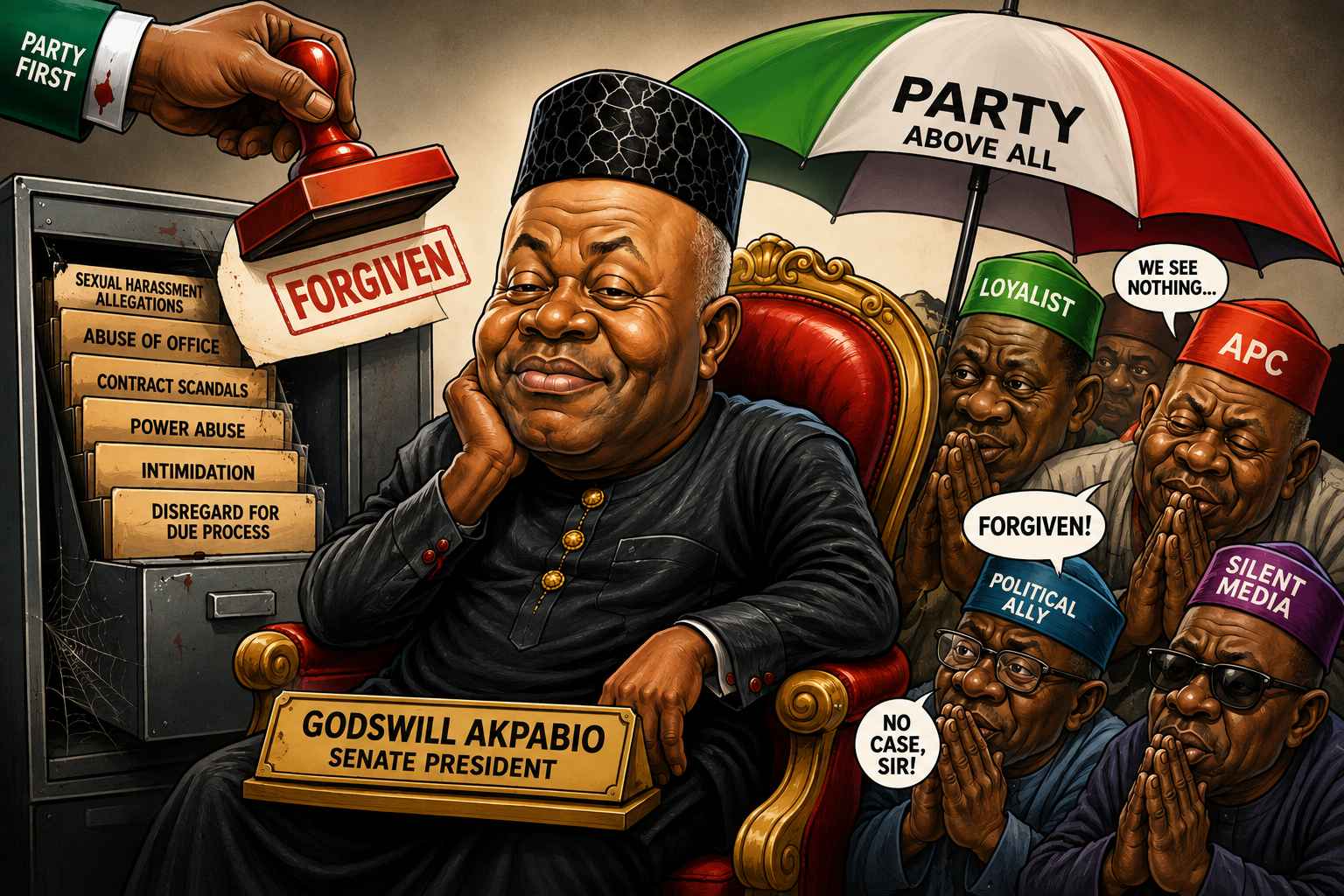
Chief Godswill Obot Akpabio GCON is the President of the Nigerian Senate, Nigeria’s third most powerful office. He has never been convicted of any crime. He has also, as the EFCC itself confirmed in August 2018, never been formally cleared of any crime.