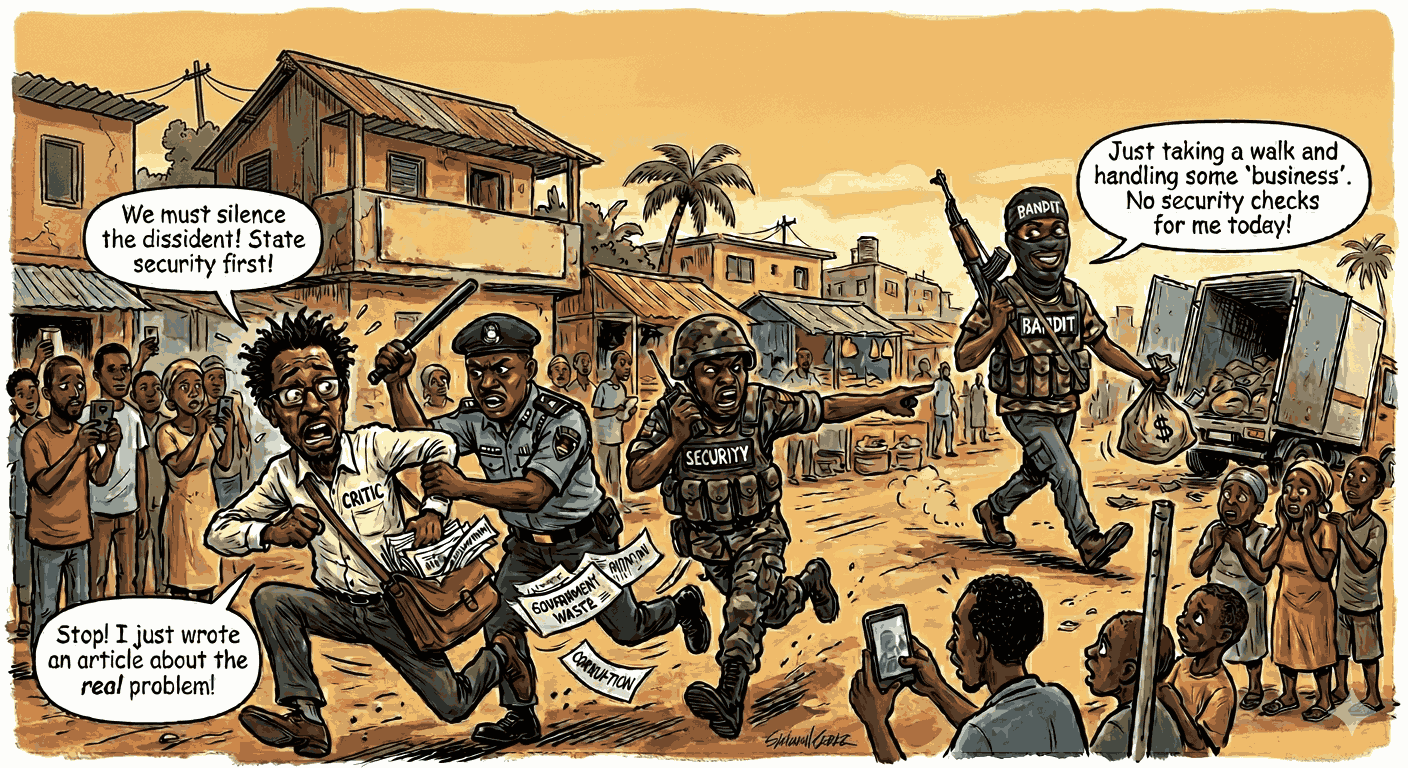
Category: Governance & Corruption
-
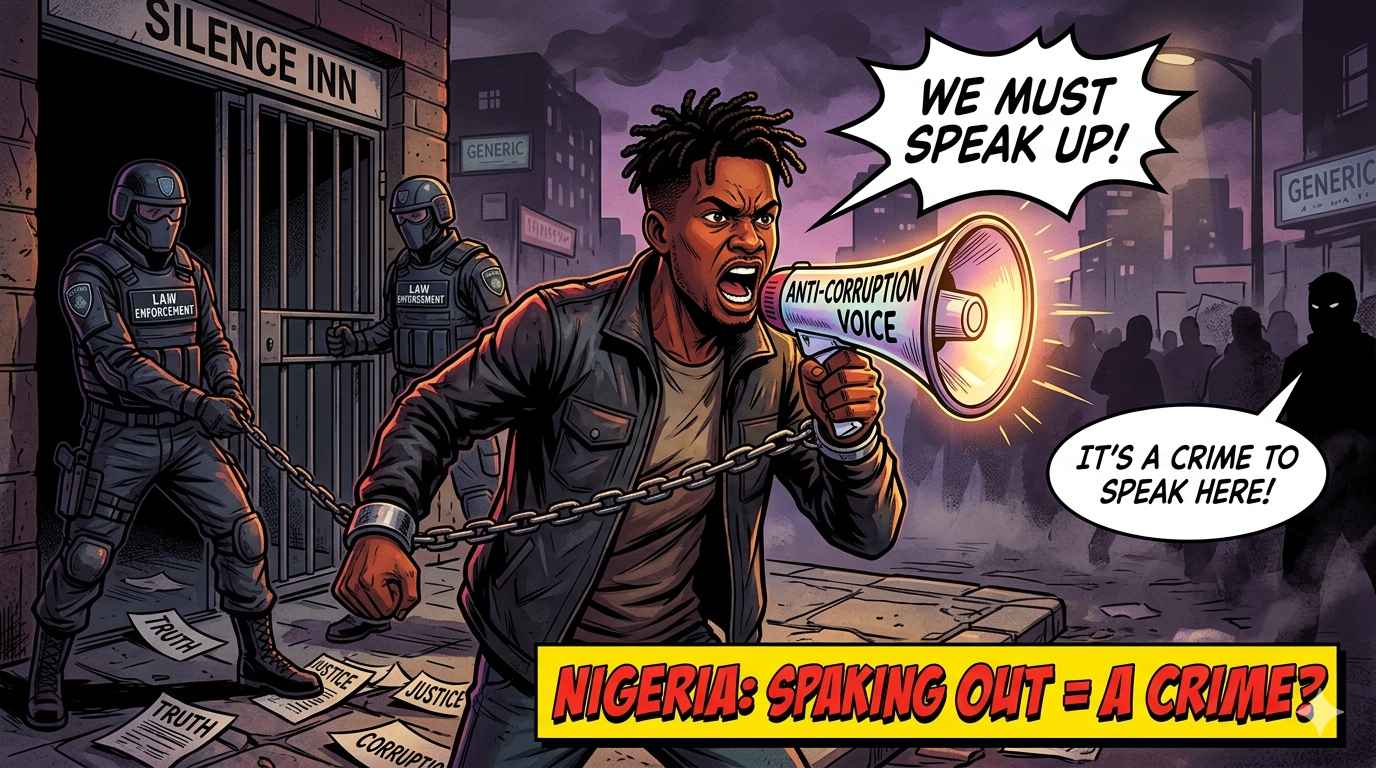
In Nigeria, speaking up has become punishable. Silence, it turns out, is the only civic duty the government consistently enforces.
-
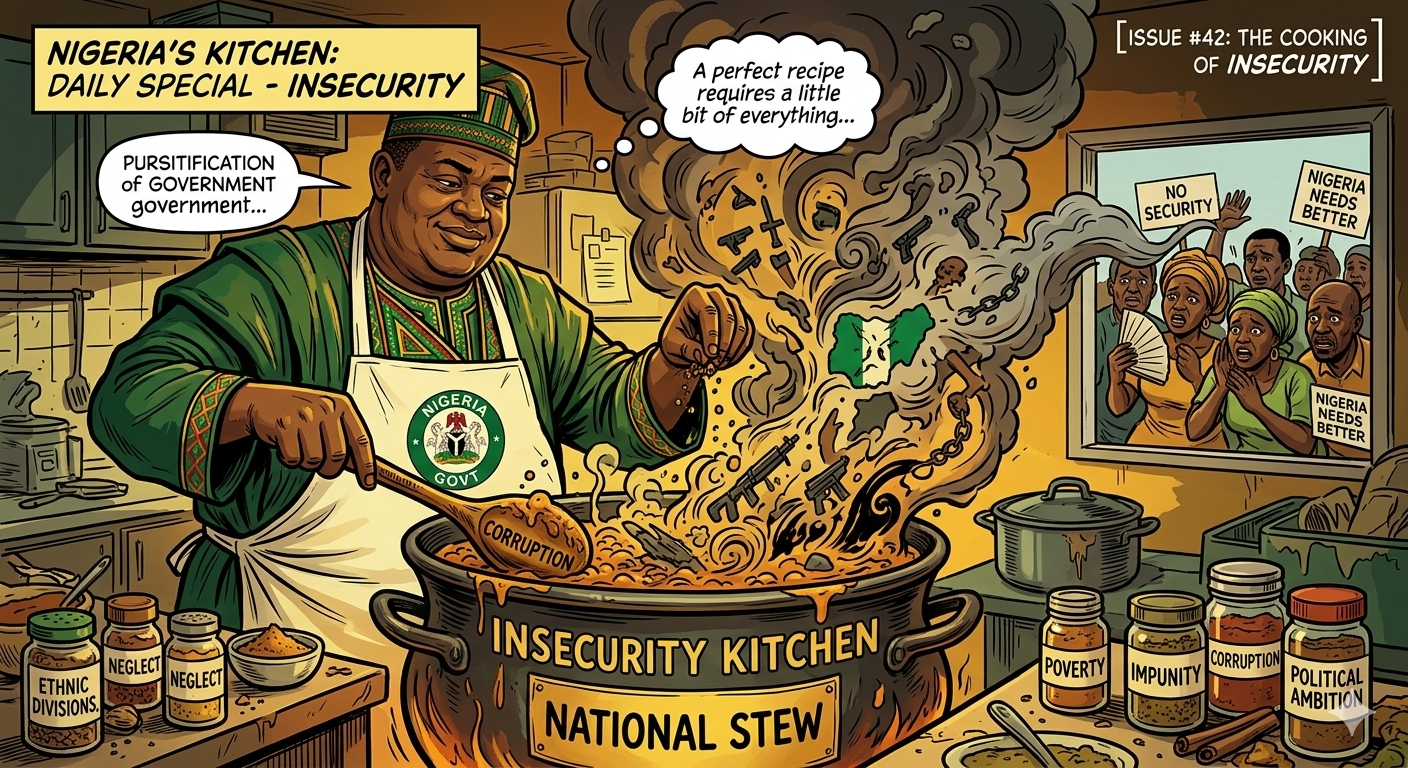
et us begin with the man who said the quiet part out loud. General Sani Abacha, Nigeria’s former military Head of State from 1993 to 1998, is not a figure widely celebrated for his democratic credentials. But he is credited with one statement that has aged with a precision that should make every Nigerian deeply…
-
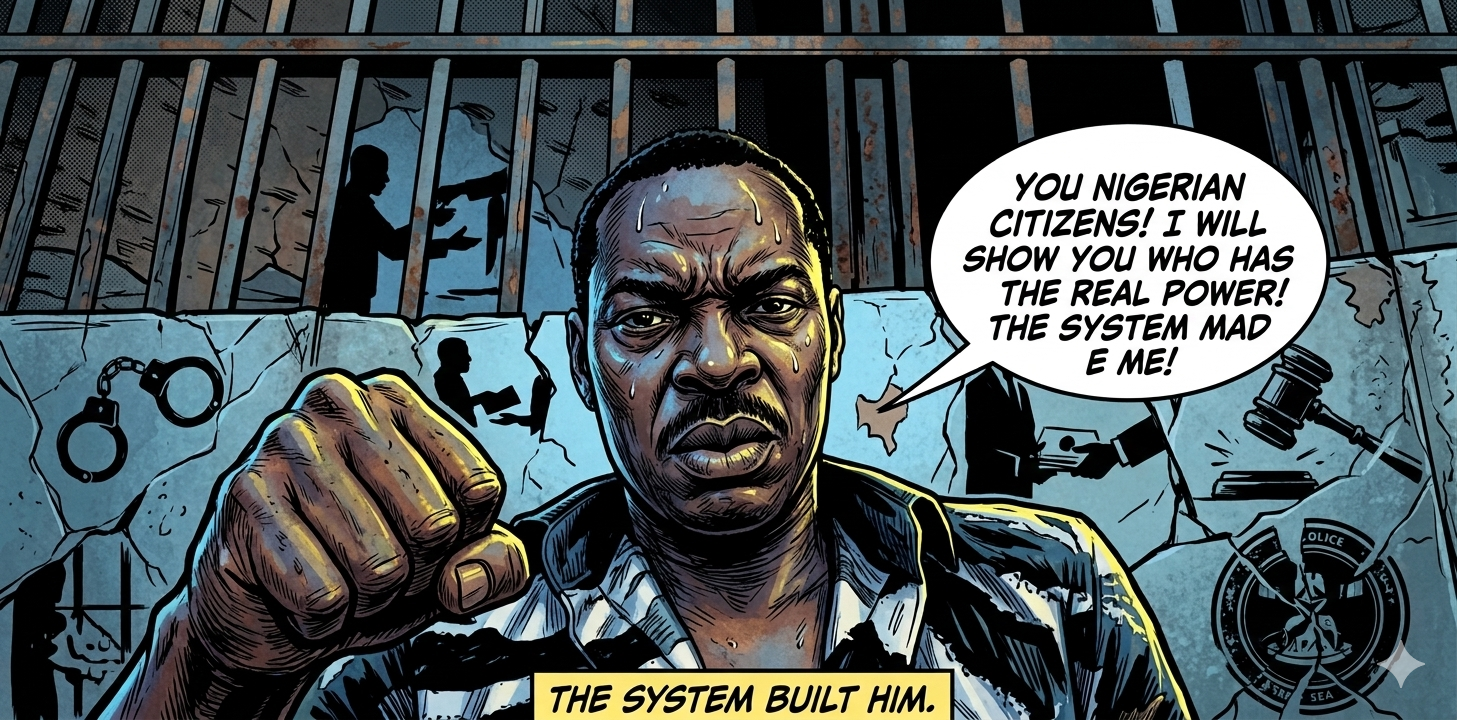
ASP Newton Isokpehi of the Anambra State Command went viral on Wednesday after threatening to kill any Nigerian who filmed him on duty. He has served for 26 years. He buys his own uniform. Welcome to the Nigerian Police Force, where the dysfunction is the product.
-
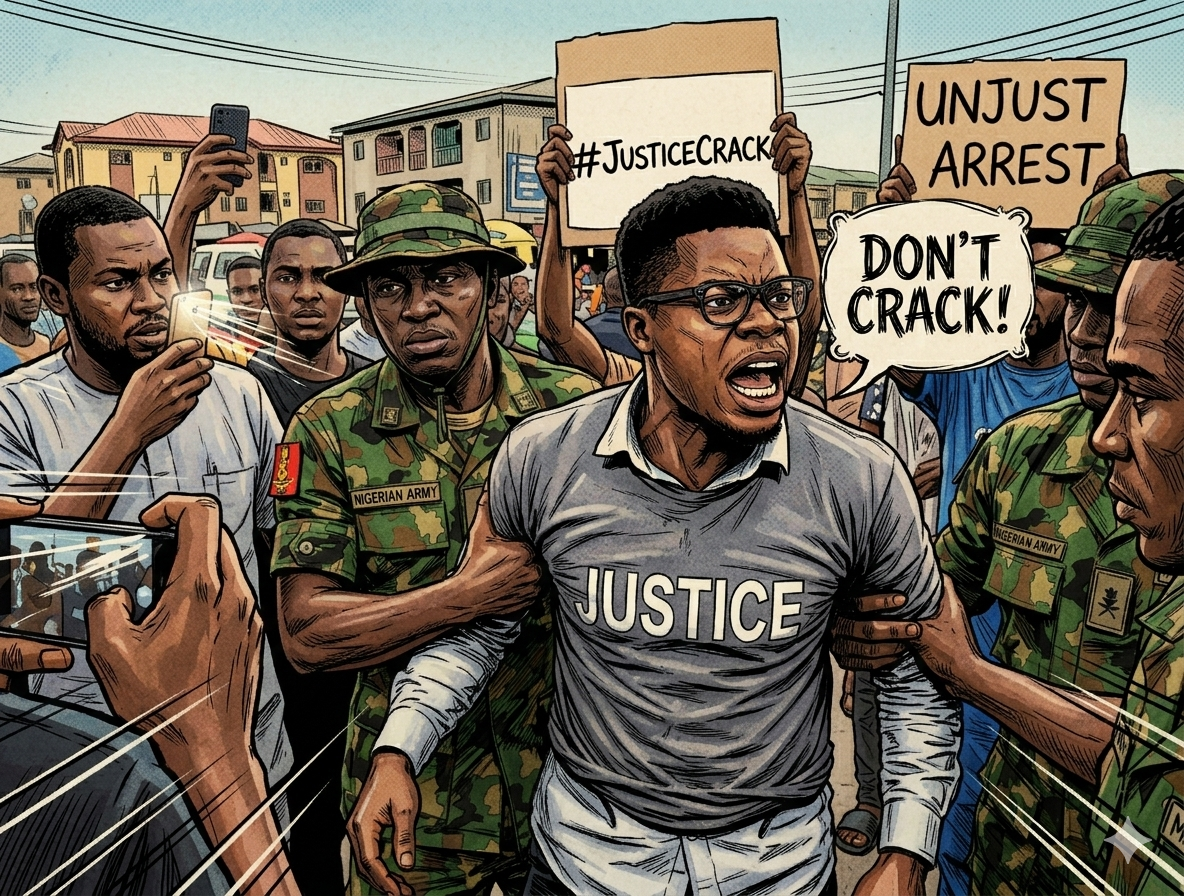
Justice Mark Chidiebere posted a video about Nigerian soldiers eating poorly. The army picked him up, chained him to a tree, and left him outside for 72 hours. Roughly two weeks before, 744 ex-terrorists graduated with certificates and went home.
-
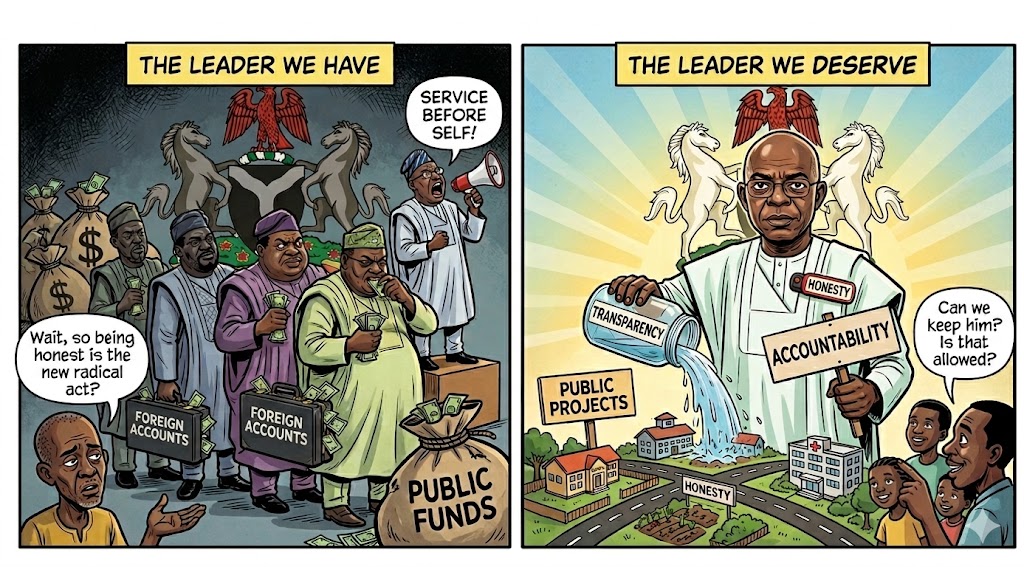
Governor Alex Otti is not a superhero. He is just a man with his head in the right place. Which, in Nigeria, apparently qualifies as extraordinary.
-
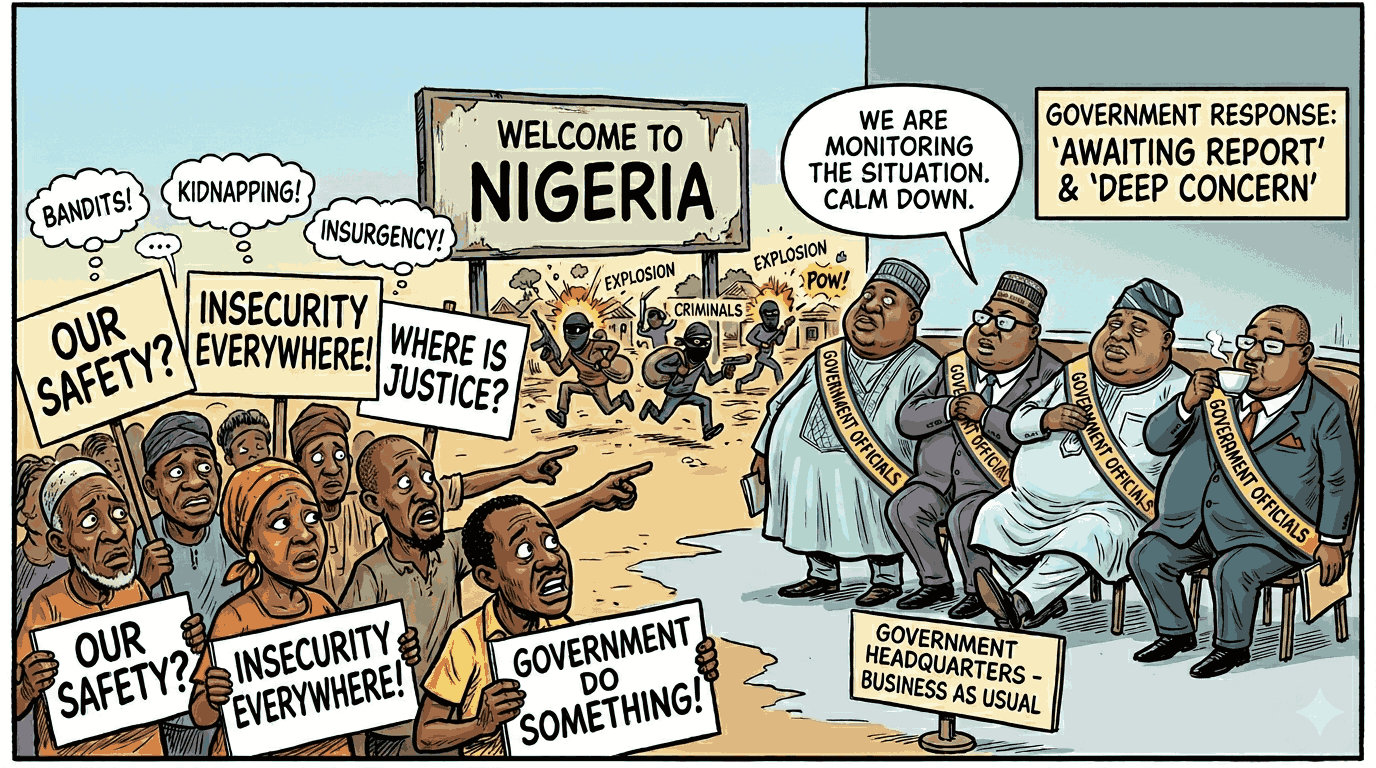
Terrorists graduated with certificates. Bandits got vocational training and a handshake. Citizens got a press release and a prayer. And somewhere between Jos and Yelewata, families are still digging graves. This is Nigeria’s official response to insecurity in 2026.
-
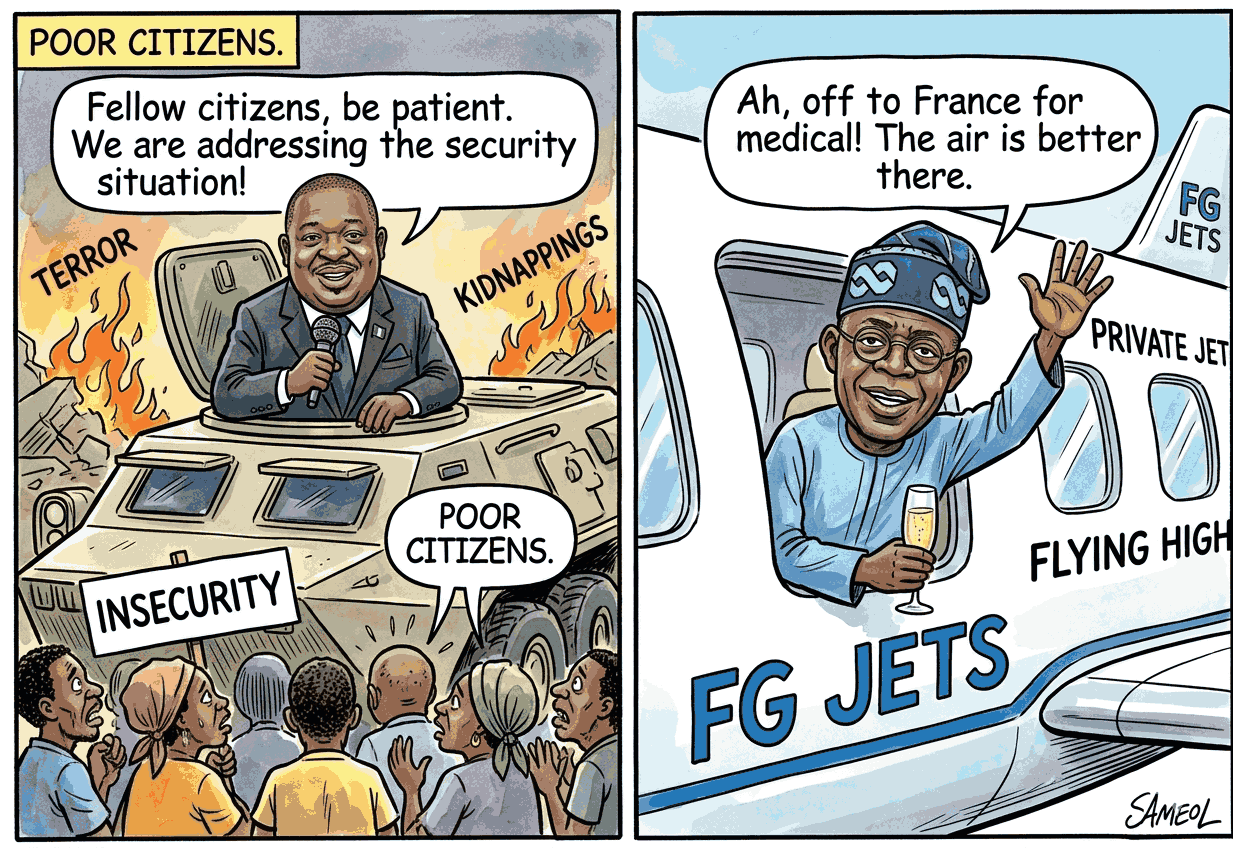
Tinubu flew to Jos, never left the airport, told grieving families the airport has no electricity, then flew back to Lagos for Easter. Mutfwang addressed massacre survivors from inside an armoured tank.
-
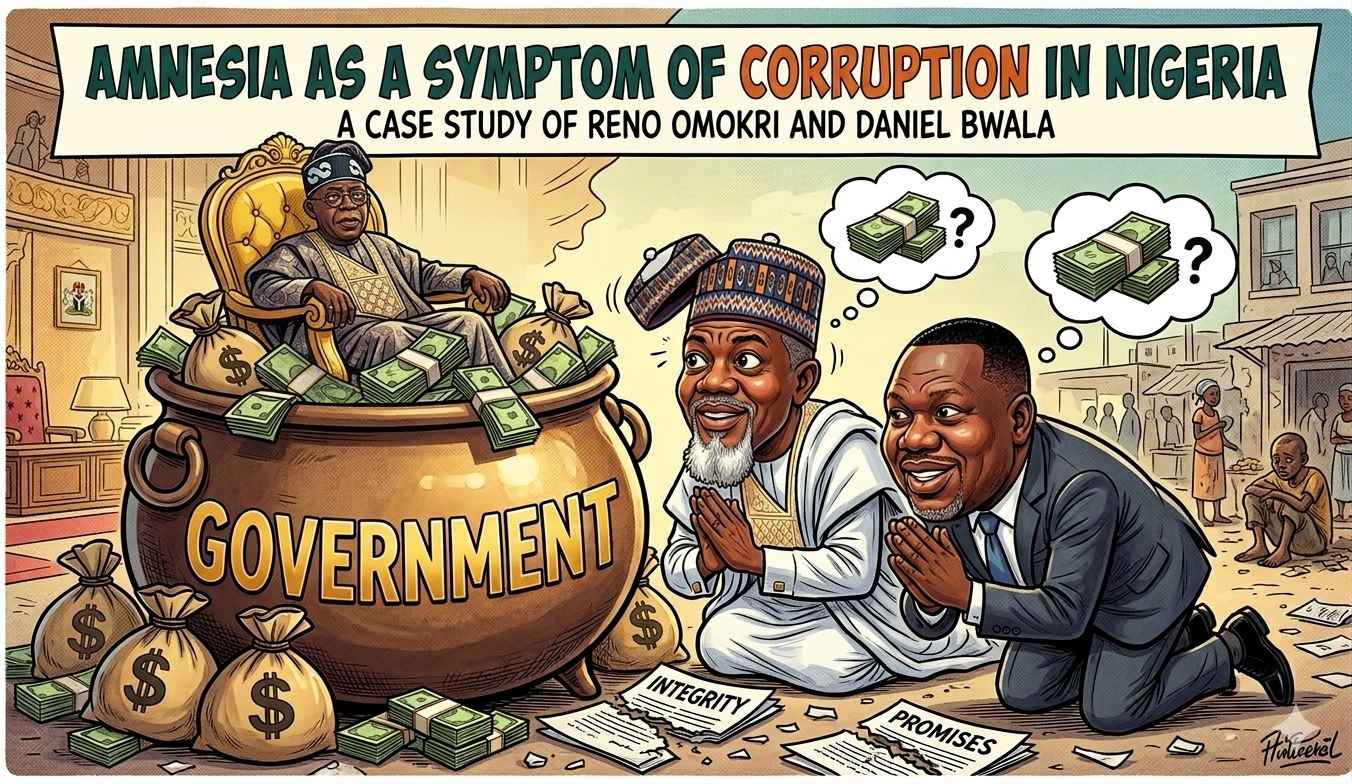
This is the story of two men. Their names are Daniel Bwala and Reno Omokri. Their story is not unusual in Nigerian politics.
-
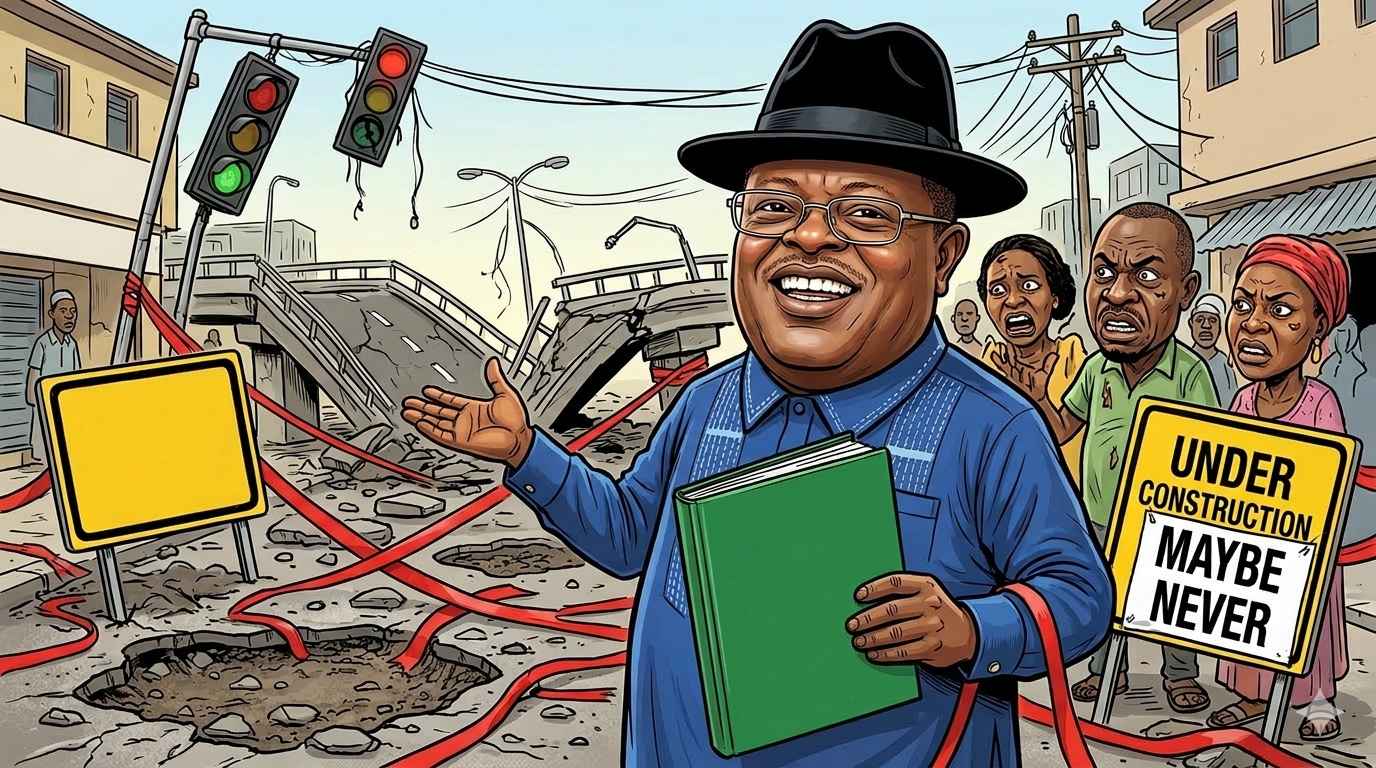
Missing engineers. Demolished investments. A N3.6 billion treasury scandal. Death threats to journalists. And a presidency so quiet you could hear the impunity echoing. David Umahi is not an aberration. He is the architecture.