Blessing CEO Has Lied, Been Arrested Twice, and Still Has Millions of Fans. What Does That Actually Tell Us?
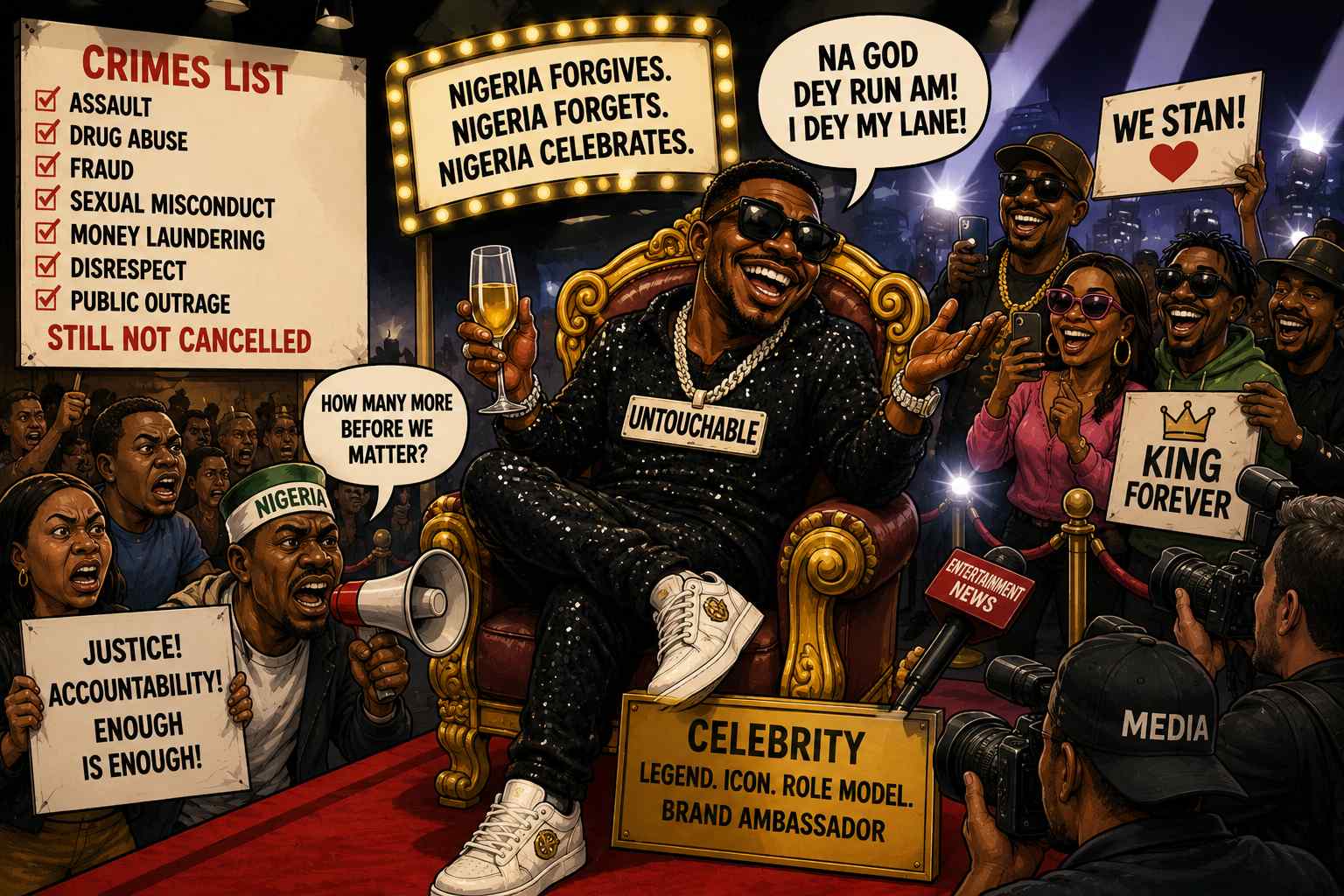
In 2019, Blessing CEO stood in front of a stranger’s mansion and called it hers. In 2023, she was remanded in custody for cyberbullying and criminal defamation. In March 2026, she posted a tearful video claiming stage 4 breast cancer and collected donations from Nigerians. In May 2026, the EFCC arrested her over an alleged N36 million fraud. At every single one of these stops, her fanbase did not shrink. It defended her. The question this article asks is not really about Blessing CEO. It is about what kind of country produces a culture where none of this costs a person their audience.
There is a particular kind of Nigerian celebrity who exists entirely outside the normal laws of consequence. Not because they have done nothing wrong. Because they have done a great deal wrong, repeatedly, publicly, and on video, and it has changed nothing about their relationship with the public that made them famous. Blessing CEO, born Blessing Nkiruka Okoro, is currently the most complete case study Nigeria has produced of this phenomenon. Her story is not one scandal. It is a sequence, a pattern stretching from 2019 to 2026, each incident more serious than the last, and each one absorbed by a fanbase that has treated accountability as something that happens to other people. This article is not really interested in relitigating whether Blessing CEO is a good or bad person. It is interested in a harder question: what does it say about Nigeria that none of this mattered until the EFCC got involved, and even then, only barely?
Blessing CEO Shows Off Mansion She Claimed Was Hers, and Nigeria Learned to Shrug
Blessing Nkiruka Okoro, known as Blessing CEO
The story that first put Blessing CEO in the national spotlight was, in retrospect, a preview of everything that followed. In 2019, on her birthday, she posted a video standing in front of a luxury mansion in Enugu, presenting it as her own property. The actual owner of the property, businessman Onye Eze, publicly exposed the claim as false, and she was arrested as a result. Video circulated of her on her knees, begging. She later issued a public apology on June 3, 2019, admitting she had misrepresented the situation, attributing it to personal pressure and unmet expectations. And then, in a move that would come to define her entire public strategy, she leaned into the controversy rather than disappearing from it, appearing in a T-shirt printed with the words “Na lie I lie, I no kill person.” The line became a meme. The mansion became a punchline. And the lesson, absorbed by Blessing CEO and by the culture watching her, was unmistakable: public lying, even when exposed and even when it results in arrest, does not end a public career in Nigeria. It can, in fact, become content.
Years later, Blessing CEO would reference the mansion saga in interviews, treating it as an origin story rather than a disqualifying scandal. This is worth sitting with. In most societies with functioning accountability cultures, being caught fabricating ownership of another person’s home for social media clout would be a career-ending event, or at minimum a serious reputational cost that follows a person permanently. In Nigeria’s celebrity culture, it became chapter one of a story that a sizable fanbase continued reading, eagerly, for the next seven years.
Blessing CEO, IVD and Bimbo Ogbonna: A Timeline That Gets Stranger the Closer You Look
2023: Bimbo Ogbonna, wife of celebrity auto dealer Ikechukwu Ogbonna (widely known as IVD), dies under circumstances her family describes as connected to domestic violence.
Same period: Blessing CEO publicly presents herself as IVD’s relationship therapist and disputes the family’s account, describing Bimbo as violent and suicidal.
Result: Blessing CEO is charged with cyberbullying and criminal defamation over her public comments and is remanded in custody for approximately three weeks.
2023, separately: Blessing CEO publicly alleges that IVD owes Davido N4.5 million for a car. IVD denies the claim. Davido files a police petition against her. She is taken to a police station. The matter is later dropped without prosecution.
2025: Blessing CEO and IVD, the same man she once described herself as the relationship therapist for during his wife’s death, go public as a romantic couple, with matching tattoos and a widely shared beach proposal.
August 2025: IVD is reportedly arrested over an alleged violation of a court-imposed travel restriction linked to an ongoing legal case.
Read that timeline again, slowly, because the sequence is what makes it remarkable. A woman dies. Her family says domestic violence was involved. A public figure inserts herself into the story, claiming professional proximity to the husband, and disputes the grieving family’s account of the deceased woman’s character. She is arrested and jailed for the way she conducted that public dispute. And then, not years later in some unrelated development, but within the same broad window of public attention, she becomes romantically involved with the widower himself. The beach proposal video, confirmed and widely circulated, trended for days. Nigerians reacted with a mixture of shock, memes, and, for a significant portion, celebration. Not scrutiny. Celebration. As we explored in our examination of the Olodo Uprising and Nigeria’s anti-intellectual drift, this is precisely the kind of cultural moment that reveals what a society has quietly decided matters and what it has decided does not.

Blessing CEO’s Cancer Journey Claim and How Her Fake Diagnosis Allegedly Led to Fraud
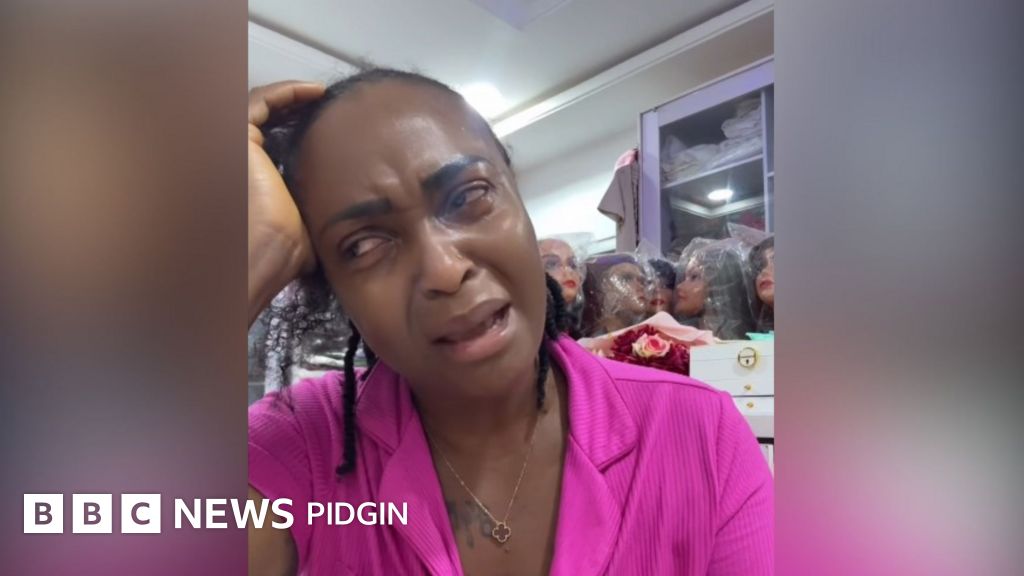
On March 25, 2026, Blessing CEO posted an emotional video describing how her cancer journey started, telling her audience through tears that she had been diagnosed with stage 4 breast cancer. She described discovering a lump, the fear of treatment, chemotherapy, surgery, and the possibility of having to sell her Lagos home to afford care. She posted what she presented as a medical report. Nigerians, moved by the story, donated substantial sums of money. Within days, the narrative began to fracture. A cancer survivor, Deborah Mbara, publicly alleged that the medical document Blessing CEO shared had originally belonged to her, and appeared to have been altered before being reposted. Blessing CEO subsequently issued an apology addressing the cancer claim controversy, though questions about the authenticity of her diagnosis and the fate of the donated funds remained publicly unresolved for weeks.
Then, in May 2026, the story escalated in a direction that finally involved a law enforcement agency with actual prosecutorial power. The EFCC arrested Blessing CEO over an alleged N36 million fraud connected to a property deal in Lekki, and she was subsequently arraigned in Lagos on the fraud charge. This was, notably, not directly the EFCC acting on the cancer donations, a distinction confirmed by a BBC source within the EFCC who explained that the agency requires a formal petition rather than social media pressure to act, and that no formal petition regarding the cancer donations had been filed at that time. The EFCC’s arrest and arraignment addressed a separate, alleged N36 million fraud matter. This distinction matters for accuracy, but it does not soften the overall picture: a public figure with a documented history of fabrication, arrested previously for cyberbullying, now facing a federal fraud charge, and disputed cancer claims still hanging over her public record.

A woman fakes owning a mansion. Gets arrested. Says it herself in a T-shirt. Gets involved in a grieving family’s tragedy and goes to jail for it. Marries the widower. Allegedly fakes a cancer diagnosis and collects donations. Gets arrested by the EFCC for a separate 36 million naira fraud. And somewhere in Nigeria today, someone is defending her honour on Twitter. What else, genuinely, is left on the list?
Anuoluwa Soneye, NarrivonPeller, Public Humiliation, and the Pattern Beyond Blessing CEO
It would be a mistake to treat Blessing CEO as an isolated anomaly rather than a data point in a much larger cultural pattern. As we documented in our examination of the Olodo Uprising debate, TikTok streamer Peller has repeatedly demonstrated behavior that critics describe as disrespectful and unprofessional, and it has done nothing to diminish his following. In July 2025, Peller interviewed dozens of job seekers, many holding master’s degrees, for a N500,000 cameraman position outside Backbox Studio in Lagos, live-streaming the process in a manner that multiple observers described as bordering on humiliation. He reportedly mocked academic qualifications, expressed surprise at the sight of a master’s degree certificate, and made a candidate feel, in her own words, “used for content” rather than genuinely considered for employment. He later defended himself publicly, saying he had not forced anyone to attend and had made the interview format clear from the outset. This may be true. What is also true is that the spectacle of a well-known figure filming the desperation of unemployed graduates for entertainment value, and facing no meaningful consequence for it, describes exactly the same phenomenon Blessing CEO’s career describes: visibility has replaced conduct as the currency of Nigerian public regard.

What connects Blessing CEO and Peller, and countless smaller figures who follow the same script, is the specific mechanism by which criticism gets deflected. It rarely takes the form of a defense of the actual conduct. It usually arrives as a question directed at the critic: are you a saint? Have you never made a mistake? Why are you always hating on people who are winning? This rhetorical move does something specific and dangerous. It reframes accountability itself as an act of jealousy or moral superiority, rather than a basic civic function. A person pointing out that fabricating a cancer diagnosis to solicit donations is harmful is not claiming sainthood. They are describing a documented, verifiable act with real victims: the donors who gave in good faith, and, if the allegations hold, potentially Deborah Mbara, whose medical documentation was allegedly used without consent. But “are you a saint” works, again and again, because it shifts the conversation away from the specific harm and toward an unanswerable philosophical trap. Nobody is a saint. That has never been the standard for expecting basic honesty from public figures.
Blessing CEO and the Values Vacuum That Also Explains Nigeria’s Political Class
Here is the connection this article wants to draw explicitly, because it is the reason this story matters beyond entertainment gossip. A culture that will not withdraw admiration from a social media personality over a fabricated cancer diagnosis and an EFCC fraud arrest is the same culture that has repeatedly failed to withdraw its political support from officials with documented, serious allegations against them. Godswill Akpabio remains Senate President despite an unresolved N108 billion probe. Nyesom Wike remains one of Nigeria’s most powerful ministers despite a public altercation in which he called a uniformed naval officer a fool. A fictitious government agency secured a national budget line and CBN accounts while the officials responsible for oversight offered no clear explanation. The muscle that Nigerians would need to hold these officials accountable, the instinct to say clearly and consistently that documented wrongdoing disqualifies a person from continued admiration and support regardless of how entertaining, wealthy, or beloved they are, is the same muscle that has atrophied in the entertainment space. If a fabricated cancer diagnosis cannot cost a person their fanbase, why would a N108 billion probe cost a politician his Senate seat?
“A society that rewards its worst actors with continued adoration is not innocent of the harm those actors cause. It is complicit in ensuring the harm continues.”
Common framing in accountability and civic culture literature
This is not an argument for cruelty or for permanent, unforgiving condemnation of every person who makes a mistake. Growth and redemption are real and valuable. But redemption requires acknowledgment, accountability, and change, not the simple passage of time and the arrival of the next news cycle. Blessing CEO has not, as of this writing, demonstrated the kind of accountability that would justify the sustained, uncritical support she continues to receive. The T-shirt joke about the mansion lie in 2019 was the first sign that accountability, for her, would always be optional. Seven years and multiple arrests later, that has proven consistently true.
Blessing CEO Is a Mirror. The Reflection Is the Point.
What else does Blessing CEO have to do for a meaningful portion of her audience to withdraw their support? This is not a rhetorical flourish. It is a genuine question this article cannot answer, because the pattern so far suggests that the answer might be: nothing. A fake mansion did not do it. A cyberbullying conviction did not do it. Marrying into a controversy involving a deceased woman’s family did not do it. An alleged fabricated cancer diagnosis did not do it. An EFCC fraud arrest, so far, has not done it either. At some point, the absence of a breaking point becomes the actual story.
Nigeria’s celebrity culture and Nigeria’s political culture are not separate phenomena. They are the same value system wearing different clothes. Both reward visibility over integrity. Both treat criticism as an attack on the critic’s character rather than an examination of the subject’s conduct. Both have normalized the question “are you a saint?” as a legitimate rebuttal to documented wrongdoing. And both, as a direct consequence, have produced a country where accountability has become something citizens demand of strangers online but rarely enforce against the people, famous or powerful, that they have chosen to love.
At Narrivon, we believe that the Nigeria of our dreams requires citizens willing to do the harder, less satisfying work of consistency: applying the same standard to the influencer they follow as to the senator they vote for, and refusing to let charisma, wealth, or fame purchase exemption from basic honesty. This does not require perfection from anyone, including the critics. It requires the willingness to say, clearly and without flinching, that a documented pattern of harm deserves a documented pattern of consequence. Speaking up when it is uncomfortable, when the person being called out is beloved, when the backlash from their fans will be immediate and personal, is precisely the kind of civic courage a country stuck in cycles of impunity most needs. The culture that lets Blessing CEO walk away from an EFCC fraud arrest with her fanbase intact is the same culture that lets senators walk away from unresolved billion-naira probes. Changing one starts the same way as changing the other: by refusing to look away, and by refusing to accept “are you a saint” as an answer to a fair question.
Frequently Asked Questions About Blessing CEO and Celebrity Accountability in Nigeria
What is the Blessing CEO mansion controversy?
In 2019, Blessing CEO (Blessing Nkiruka Okoro) posted a video presenting a luxury mansion in Enugu as her own property. The actual owner, businessman Onye Eze, publicly exposed the claim as false, and she was arrested. She later apologised on June 3, 2019, attributing the incident to personal pressure and unmet expectations, and controversially wore a T-shirt reading “Na lie I lie, I no kill person” in the aftermath.
Why was Blessing CEO arrested for cyberbullying?
Following the death of Bimbo Ogbonna, wife of celebrity auto dealer IVD, Blessing CEO publicly presented herself as IVD’s relationship therapist and disputed the family’s account that domestic violence was involved, describing Bimbo as violent and suicidal. She was subsequently charged with cyberbullying and criminal defamation and was remanded in custody for approximately three weeks. She and IVD later became a publicly confirmed couple.
What happened with Blessing CEO’s cancer claim?
On March 25, 2026, Blessing CEO posted an emotional video describing how her cancer journey started, claiming a stage 4 breast cancer diagnosis, and soliciting financial help from the public. Nigerians donated substantial funds. Days later, cancer survivor Deborah Mbara publicly alleged that the medical report Blessing CEO shared had originally been hers and appeared altered. Blessing CEO later apologised over the cancer claim controversy, though full clarity on the matter was not publicly established.
Why did the EFCC arrest Blessing CEO?
In May 2026, the EFCC arrested Blessing CEO over an alleged N36 million fraud connected to a property deal in Lekki, and she was subsequently arraigned in Lagos. This arrest addressed a separate fraud allegation distinct from the cancer donation controversy. A BBC source within the EFCC noted the agency generally requires a formal petition rather than social media pressure to act on matters such as the disputed cancer claims specifically.
Sources and Further Reading:
Blessing CEO controversy coverage (BBC Pidgin) •
Why EFCC has not arrested Blessing CEO over cancer donations, BBC source speaks (Legit.ng, April 2026) •
From mansion drama to cancer claims: Inside Blessing CEO’s most audacious controversies (Within Nigeria, April 2026) •
Video: EFCC arrest Blessing CEO over N36 million alleged fraud case (Nairaland, May 2026) •
Blessing CEO solicits financial help amid battle with breast cancer (Daily Post, March 25, 2026) •
IVD proposes to Blessing CEO on beach (Legit.ng) •
Mixed reactions as Peller interviews master’s degree holders for N500k cameraman job (Guardian Nigeria, July 2025) •
Peller defends N500,000 job interview, says two candidates selected (Guardian Nigeria, July 2025)