The Country Is the Symptom. The People Are the Cure.
Real transformation starts in how Nigerians think about themselves, each other, and what they deserve. We are in the business of shifting that, one uncomfortable-but-necessary conversation at a time.
The Weight of What We’ve Accepted
Somewhere along the line, Nigerians were convinced that suffering was culture. That poverty was destiny. That corruption was just how things work. These numbers show exactly what that acceptance has cost us.
142nd
Least Corrupt Country
Not a scandal. Not a crisis. Just Tuesday. Corruption costs developing countries $1.26 trillion annually, and Nigeria is doing its fair share of the damage.
62%
Live in Poverty
Showcasing powerful imagery that captures the essence of governance and societal change.
125th
Global Gender Gap Ranking
A gap that religion, culture, and deliberate policy neglect have quietly maintained for decades.
52%
Consider Fleeing the Country
Nigerian professionals plan to leave their jobs and migrate abroad , driven by economic, political, and social challenges.
Things We Were Told Not To Talk About
Polite society has a long list of topics considered too divisive, too sensitive, or too dangerous for public consumption. Coincidentally, those are the exact topics that sinks us.
Governance Or Whatever We’re Calling It These Days
From INEC to the National Assembly to the local government chairman who hasn’t been seen since election day, to the security operatives that choose to brutalize over protect we track, analyze, and evaluate the institutions that were built to serve Nigerians and somehow ended up doing everything but that.
Change the Thinking, Change the Country
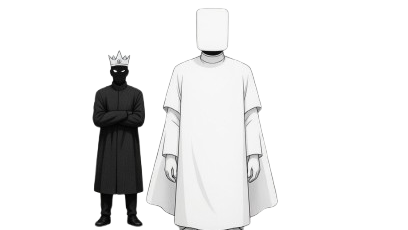
You can’t fix a country whose people have been convinced that suffering is spiritual, that women should be quiet, that men are superhuman, that loyalty to ethnicity trumps demand for accountability.
We go after the ideas, religious, cultural, and political, that make exploitation possible.
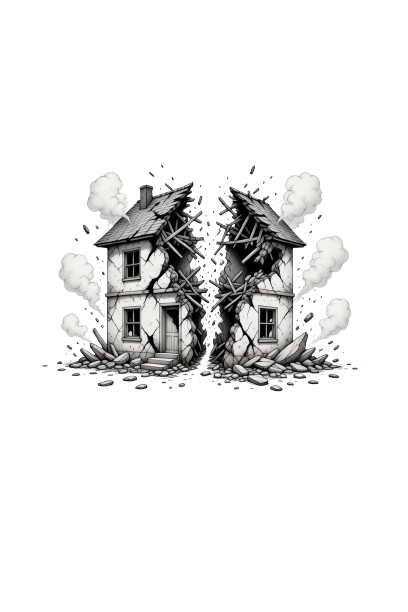
The Ideological Fault Lines Splitting Nigeria Apart
Ideas have consequences and the beliefs a society holds about gender, faith, tribe, and class determine the country it builds.
Nigeria is not suffering from a shortage of resources or even a shortage of capable people. It is suffering from a crisis of collective imagination, maintained by ideological fault lines that run deeper than any election cycle.